Leave a Message

Thank you for your message. I will be in touch with you shortly.

Wisconsin Home Inspection Essentials for North Shore Buyers

December 4, 2025

Buying in Milwaukee’s North Shore is exciting, but the inspection period can feel fast and technical. You want clarity on what to test, what it costs, and how to respond without losing leverage. This guide gives you the essentials for Wisconsin offers, plus the lake-adjacent issues common in Shorewood, Whitefish Bay, Fox Point, and Bayside. You will learn timelines, typical costs, and what to negotiate so you close with confidence. Let’s dive in.

How the Wisconsin inspection period works

In Wisconsin, the inspection period is a contract contingency. Your offer sets the rules, including the number of days and whether they are calendar or business days. In the Milwaukee market, buyers commonly use 7 to 10 days, with a wider range of 5 to 14 days. Shorter windows can be used in competitive situations, but they make specialty testing harder to complete.

During the period, you can order a general home inspection, add specialty tests, and then decide how to proceed. You might request repairs, ask for a credit, accept the home as is, or terminate if your contingency allows. Track the deadline precisely, including the cut-off time in your offer, so you preserve your rights.

For inspection scope and best practices, review standards from InterNACHI and ASHI. If you need contract-specific guidance, consult your purchase contract form and local resources.

What your inspection should cover

A standard general inspection is a visual review of the home’s accessible systems:

  • Structure and foundation
  • Roof, exterior, and site drainage
  • Electrical, plumbing, and HVAC
  • Interior, insulation, and ventilation
  • Built-in appliances

Plan 1.5 to 4 hours on site, with a same-day summary and a written report within 24 to 72 hours. Typical Milwaukee-area pricing runs about $300 to $600, depending on age, size, and complexity.

Common specialty tests

  • Radon test. A 48 to 96 hour short-term test on the lowest livable level. Expect $100 to $250. The EPA recommends action at 4.0 pCi/L or higher, and the Wisconsin Department of Health Services offers state-specific guidance.
  • Sewer lateral camera inspection. Often recommended for older homes or where mature trees line the lateral path. Expect $125 to $400. Results are often same day.
  • Mold and moisture evaluation. Consider this when you see visible mold, smell persistent musty odors, or find chronic dampness. Visual checks typically cost $150 to $300, with lab sampling extra.
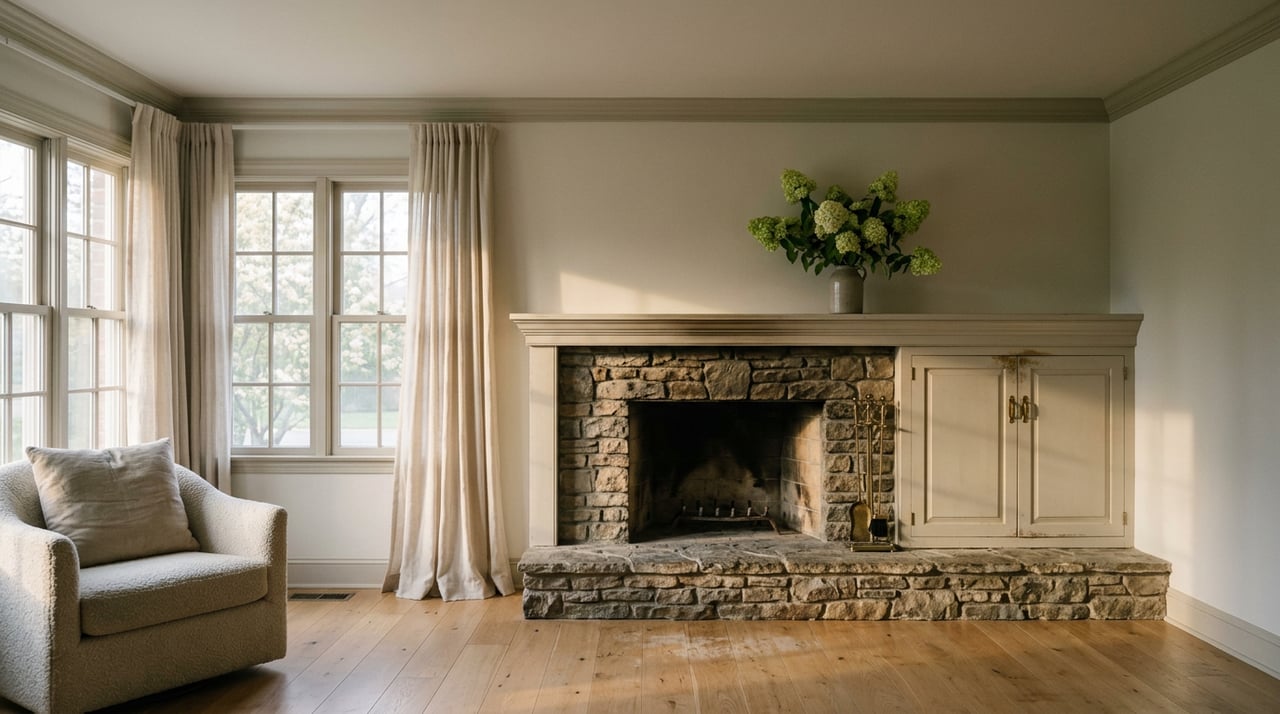
  • Chimney inspection. If masonry issues are noted or the home is older, a Level 2 chimney inspection is often suggested. Budget $100 to $300.
  • HVAC service evaluation. A targeted check for older systems, typically $75 to $200 for a service call.
  • Well and water testing. If the property has a private well, plan $100 to $300 depending on the testing panel.

North Shore issues to watch

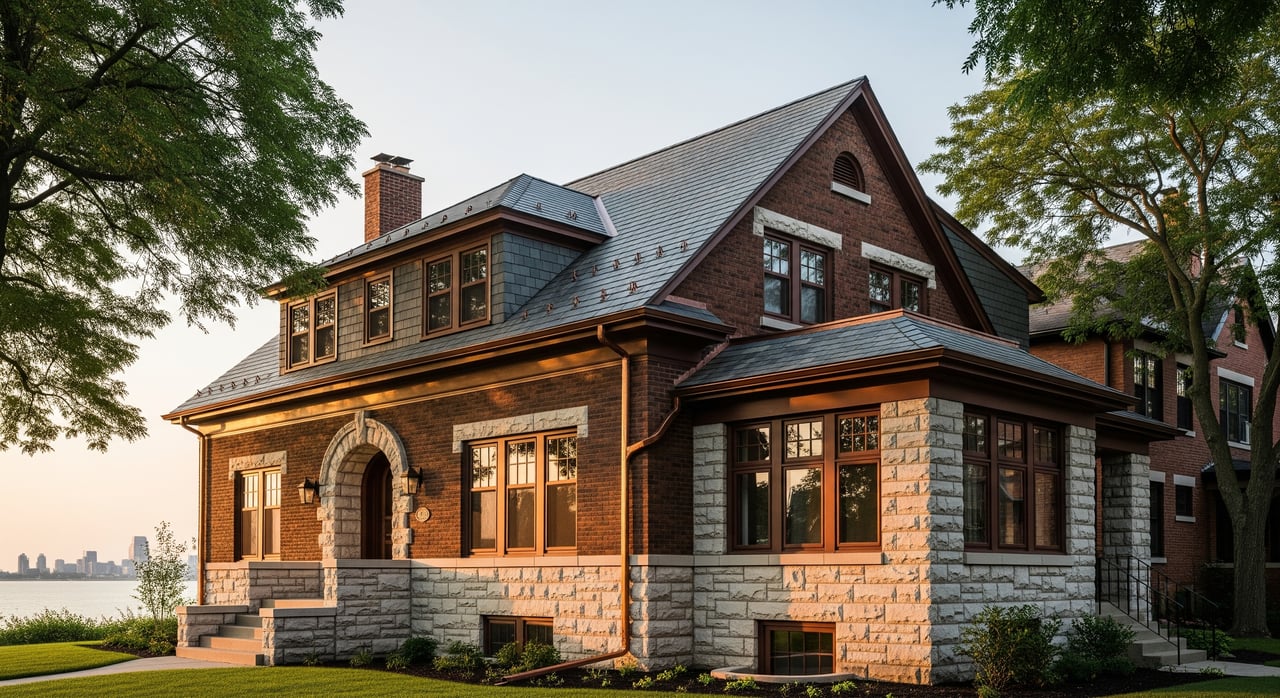
Homes near Lake Michigan face higher humidity, lake-influenced weather, and seasonal groundwater shifts. Many properties in the corridor were built in the early to mid 20th century with masonry construction, which adds its own maintenance needs.

Moisture management

Basements and lower levels are the most common concern. Signs include efflorescence, damp walls, or evidence of past water entry. Sump pumps often lack battery backups and can fail under stress. Check the age of the pump, the float operation, and whether a backup is installed. Also review gutters and downspouts, especially extensions that move water well away from the foundation.

When visible mold is present or odors persist, consider targeted moisture or mold testing. Elevated indoor humidity is common in lake-adjacent basements and crawlspaces.

Grading, drainage, and erosion

Older landscaping can slope toward the foundation, which increases hydrostatic pressure and wet basements. Retaining walls or terraced yards sometimes show wear, especially on sloped sites. For properties with shoreline work, evaluate bulkheads or revetments for age and condition.

For a deeper understanding of local soils and drainage behavior, you can review the USDA NRCS Web Soil Survey. Shoreline and bluff conditions also fluctuate with lake levels; the NOAA Great Lakes Environmental Research Laboratory publishes water level trends for context.

Masonry and foundation

Expect brick mortar wear, freeze-thaw spalling, and chimney maintenance in older homes. Fieldstone, brick, or early concrete block foundations can show cracked mortar, seepage, or minor shifting. When your inspector flags major chimney or foundation concerns, a structural engineer or experienced mason can provide deeper analysis.

Freeze-thaw and exterior envelope

Look for spalling concrete at steps and stoops, cracked sidewalks, and wood rot at eaves, decks, or window sills. Older windows may have failing glazing putty or signs of moisture in sashes.

Mechanical systems

In older homes, budget awareness matters. Furnaces, boilers, water heaters, and panel upgrades can be near end of life. You may also see legacy wiring or evidence of past DIY electrical work. Document service history where possible.

Sewer lateral and utilities

In older Milwaukee neighborhoods, clay tile or cast iron sewer laterals can develop root intrusion, offsets, or collapses. A sewer scope is a smart add-on in Shorewood, Whitefish Bay, Fox Point, and Bayside, especially where large trees are present.

Radon and indoor air

Southeastern Wisconsin shows variable radon potential. Testing is common and often completed during the inspection window. The EPA’s radon basics and Wisconsin DHS guidance explain thresholds and mitigation steps.

Typical findings that drive negotiation

  • Water intrusion or chronic dampness in the basement
  • Missing or non-functioning sump pump backup
  • Significant chimney or foundation masonry repairs
  • Failed sewer lateral on camera inspection
  • Elevated radon levels at or above 4.0 pCi/L
  • Major grading or drainage corrections

Typical costs and timelines

Use these ranges to budget and schedule within your inspection window:

  • General home inspection: $300 to $600, 1.5 to 4 hours on site, report in 24 to 72 hours
  • Radon short-term test: $100 to $250, 2 to 4 days to complete
  • Sewer camera inspection: $125 to $400, often same-day results
  • Mold or moisture assessment: $150 to $500 depending on sampling
  • Chimney inspection: $100 to $300
  • Structural engineer evaluation if needed: $400 to $1,200 or more depending on scope
  • Well and water testing: $100 to $300
  • Common inspection contingency window: 5 to 14 days, often 7 to 10 days

Your inspection-period checklist

Before you schedule

  • Confirm your exact inspection deadline and whether it uses calendar or business days.
  • Review inspector credentials, sample reports, and insurance, and confirm experience with older masonry and lake-adjacent homes.
  • Ask the seller for utility bills, service records, warranties, sump pump details, and any documentation of prior flooding or shoreline work.

What to order

  • General home inspection covering all accessible systems
  • Radon short-term test for the lowest livable level
  • Sewer lateral camera inspection if the home is older or tree-lined
  • Sump pump test and backup evaluation
  • Mason or structural engineer review if significant cracks, chimney issues, or movement are noted
  • Chimney Level 2 inspection or flue video if masonry concerns exist
  • Targeted mold or moisture assessment if there is visible staining or odors
  • Well and water testing if applicable

What to request from the seller

  • Repair receipts and documentation for foundation, sewer, sump, roof, or shoreline work
  • Written history of any flooding or water intrusion and the mitigation steps taken
  • Permits and approvals for shoreline, bulkhead, or retaining wall work, with confirmation that work complied with local and state rules

Negotiating after the report

Start with safety and structure. Electrical hazards, active roof leaks, significant foundation movement, or failed chimneys deserve top billing. Next, consider big-ticket systems that drive near-term costs, such as a failed sewer lateral or major masonry repairs. Moisture-related issues that can cause ongoing damage, like poor grading or chronic basement leaks, also merit attention.

Common remedies include seller repairs, credits at closing, a price reduction, or a repair escrow. If your inspector recommends further evaluation by a specialist, order it quickly so you can stay within your deadline.

If you need more time, you can request an extension to the inspection period. The seller must agree, and extensions are most often granted to complete specialty tests, not as a default.

Floodplains, shoreline permits, and radon

For lake-adjacent properties, add a few checks to your due diligence:

  • Floodplain status. Review the property on the FEMA Map Service Center to see if it falls in a Special Flood Hazard Area. Flood insurance may be required for financed purchases in these zones.
  • Shoreline and wetland permitting. Shoreline structures and major grading near the lake often require permits. The Wisconsin Department of Natural Resources and your municipality typically have authority in these areas.
  • Radon guidance. For health and safety, follow the EPA’s radon recommendations and check Wisconsin DHS for state-specific resources.

Plan confidently with a local North Shore advisor

An organized inspection strategy helps you move from offer to closing with fewer surprises and better leverage. Focus on the essentials, document what matters, and keep your timeline front and center. If you want a steady hand and neighborhood-specific insight for Shorewood, Whitefish Bay, Fox Point, Bayside, and nearby communities, connect with Kelton Hatton. We are here to guide your purchase with clarity and care.

FAQs

How long is the inspection period in Wisconsin offers for Milwaukee buyers?

  • Most offers use 5 to 14 calendar days, with 7 to 10 days common. Always confirm the exact deadline and day count in your contract.

What inspections should a North Shore Milwaukee buyer order?

  • A general home inspection, a radon test, and a sewer camera scope are common. Add mold, chimney, structural, or well testing based on what your inspector finds.

How much do Milwaukee-area inspections cost?

  • Expect $300 to $600 for a general inspection, $100 to $250 for radon, $125 to $400 for a sewer scope, and $100 to $300 for a chimney inspection. Specialty reviews vary.

What North Shore issues most often drive negotiation after inspection?

  • Basement moisture, missing sump backups, major chimney or foundation repairs, failed sewer laterals, elevated radon, and significant grading or drainage corrections.

What if my Wisconsin radon test comes back at or above 4.0 pCi/L?

  • The EPA recommends mitigation at this level. Short-term tests are common during the inspection window, and mitigation can often be negotiated with the seller.

How do I check if a Lake Michigan property near Milwaukee is in a floodplain?

  • Search the address on the FEMA Map Service Center to see flood zone designations and whether flood insurance may be required for financing.

Can I extend my inspection period if I need more time for specialty tests?

  • Possibly. You can request an extension, but the seller must agree. Ask early if you need more time for sewer, radon, or engineering evaluations.

Work With Kelton

Get assistance in determining current property value, crafting a competitive offer, writing and negotiating a contract, and much more. Contact Kelton today to discuss all your real estate needs!