Cedarburg Festivals And Everyday Small‑Town Living
May 14, 2026
May 14, 2026
If you are drawn to places with real character, Cedarburg tends to stand out quickly. It has the kind of historic downtown, festival calendar, and day-to-day rhythm that make people wonder what it would actually feel like to live there, not just visit for a weekend. If you are exploring Ozaukee County or comparing North Shore communities, this guide will help you understand how Cedarburg balances signature events with everyday small-town living. Let’s dive in.
Cedarburg sits about 20 miles north of Milwaukee, three miles west of Interstate 43, and four miles west of the Lake Michigan shoreline. That location gives you access to the larger metro area while still feeling distinctly separate from it. With a 2020 population of 12,121, it offers a smaller-scale setting that many buyers find appealing.
What gives Cedarburg its identity is not just its size, but its physical character. The city’s 10-block downtown business corridor is listed on the National Register of Historic Places, and more than 200 historic buildings have been preserved. Today, those buildings remain active as shops, homes, museums, public buildings, and part of the Cedar Creek Settlement complex.
That preservation shapes how the city feels when you move through it. Instead of a place built around a single shopping center or a highway corridor, Cedarburg has a walkable historic core with visible layers of local history. For many buyers, that creates a stronger sense of place than a typical suburban pattern.
In Cedarburg, festivals are not a side note. They are a major part of how the city presents itself and how many people experience the community throughout the year. The city says more than 175,000 visitors attend its four annual festivals, and the broader seasonal lineup includes Winter Festival, Strawberry Festival, Wine & Harvest Festival, Oktoberfest, and A Cedarburg Christmas.
Two of the best-known events, Strawberry Festival and Wine & Harvest Festival, take place on Washington Avenue between Bridge Road and Western Avenue, with the Family Area in Cedar Creek Park. The festival organization also notes that these events are free to attend. That helps explain why they have become such a consistent draw for both residents and visitors.
Strawberry Festival is centered on fresh strawberries, artisan vendors, live music, family-friendly activities, and wine and beer gardens. Wine & Harvest Festival leans into local wines, seasonal produce, artisan goods, live music, grape stomping, food vendors, and a marketplace. If you enjoy a town where the public calendar feels active and visible, Cedarburg delivers that in a very tangible way.
A common question from buyers is whether Cedarburg feels lively only during its best-known events. Based on the city’s visitor materials, the answer is no. The calendar extends well beyond the marquee festivals and includes museums, cultural venues, shops, seasonal events, and Maxwell Street Days at Fireman’s Park, where hundreds of booths sell collectibles, antiques, and crafts.
The city also has a strong arts presence for its size. Cedarburg Cultural Center, located in the heart of the historic district, serves as a gathering place for live music, theater, galleries, and classes. The city notes that the local arts calendar includes national and international performing artists, the Singer Songwriter’s Series, the annual Plein Air competition, and juried art shows.
Cedarburg Art Museum adds another layer to everyday life. Housed in the 1898 Wittenberg-Jochem Mansion, it focuses on Wisconsin art through rotating exhibitions, educational programs, and community events. For buyers who want more than just residential streets and errands, this kind of cultural infrastructure can make a real difference.
Cedarburg’s identity is also built around smaller recurring experiences that become part of your weekly rhythm. The Cedarburg Civic Band has been a city tradition for more than 100 years, rehearsing downtown in summer, performing concerts, and marching in parades. That kind of long-running local tradition often says a lot about how connected a community feels.
Dining is another visible part of the city center. Local visitor information points to restaurants, cafés, coffee houses, fine dining, and casual dining, while the city’s history page notes that Cedar Creek Settlement includes restaurants, artist studios, antique stores, and a winery. If you like the idea of having dining and browsing woven into a historic setting, Cedarburg offers that mix.
Recreation is broader than some buyers expect in a city this size. Cedarburg owns 34 parks and open space totaling 146 acres, and the Interurban Trail runs through the city as a barrier-free walking and biking route maintained within city limits. That gives you an easy way to add movement and outdoor time to daily life.
The historic core is one of Cedarburg’s biggest draws, but it comes with practical considerations. The festival organization notes that many historic downtown buildings are not easily accessible for people using strollers or mobility aids. If accessibility is a priority in your home search or daily routine, it is worth keeping that in mind as you evaluate how often you would use the downtown area.
This is not unusual in older districts, but it does matter. A town can be charming and still require a closer look at how you will move through it day to day. That is especially true if you are comparing Cedarburg with communities that have newer commercial areas or different street layouts.
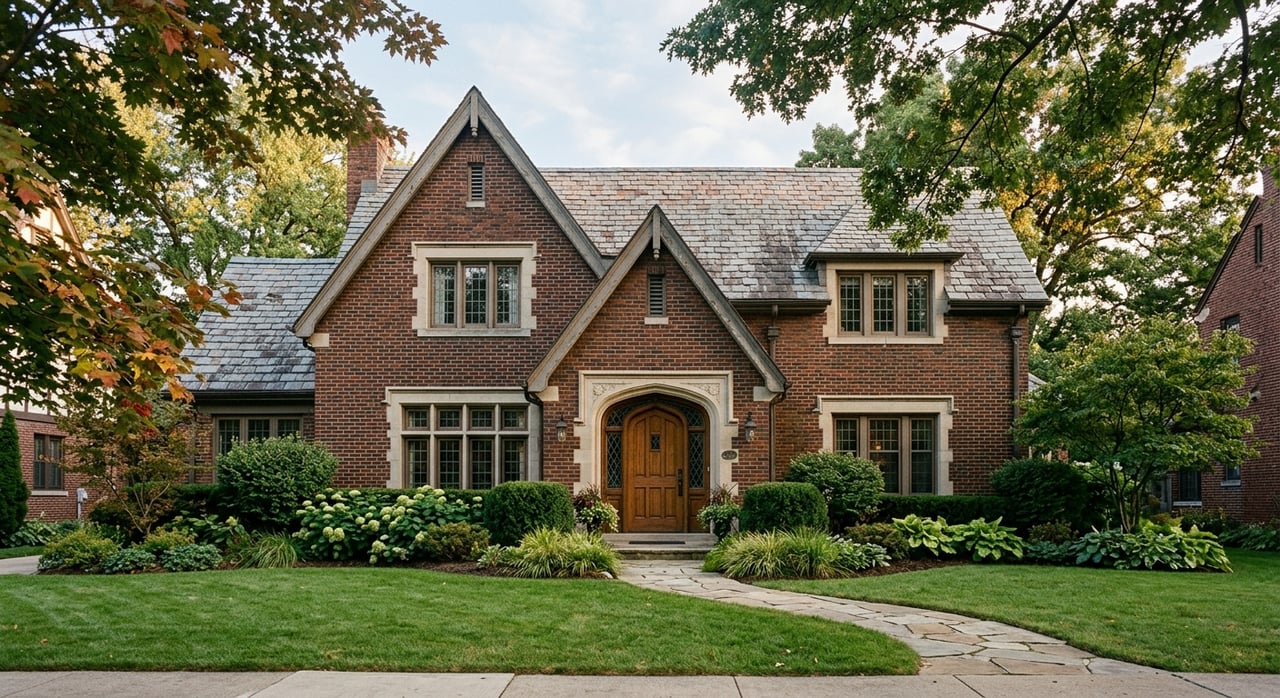
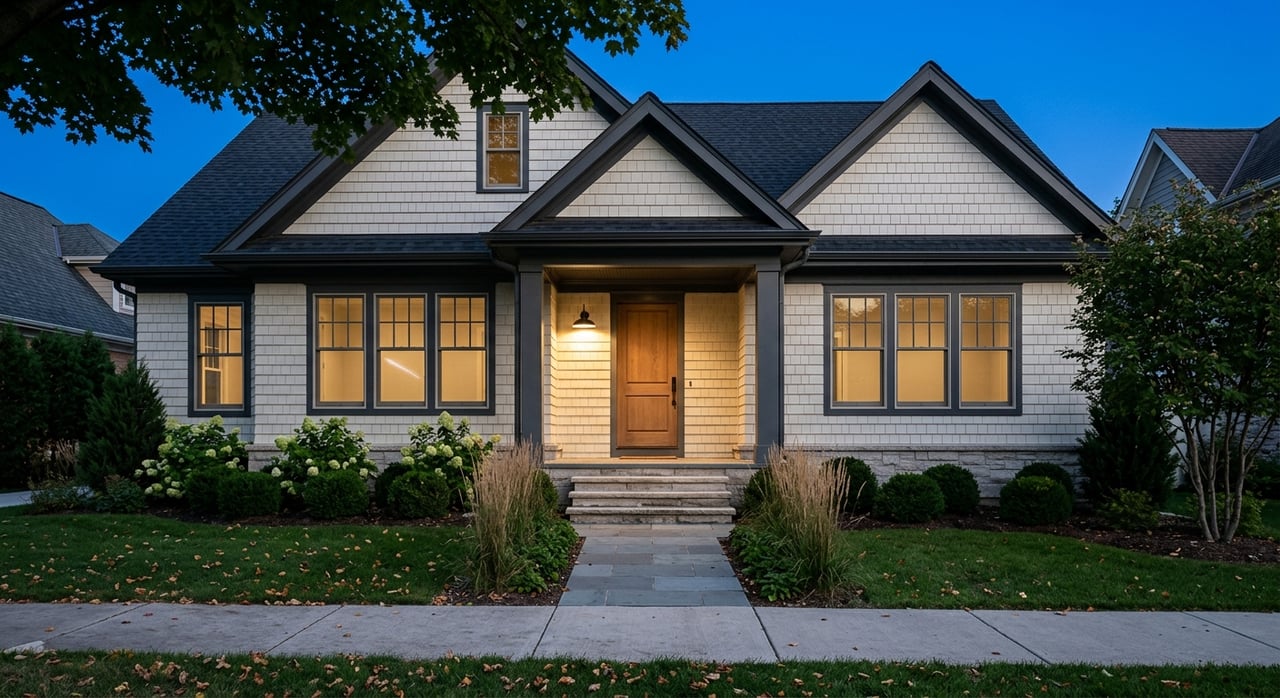
Some buyers picture Cedarburg as only historic homes near downtown. In reality, the housing mix is broader. Local sources describe homes, townhouses, condominiums, and rental apartments, while the city’s zoning map includes single-family, two-family, multiple-family, and mixed-use infill districts.
The city’s history also notes that postwar growth added housing subdivisions. That means your options are not limited to older housing stock or downtown-adjacent properties. Depending on your goals, you may find historic homes near the center, newer subdivisions farther out, and attached housing options as well.
That layered housing mix is useful if you are buying at different life stages. Some people want the character and proximity of an older home. Others want lower-maintenance living or a newer layout. Cedarburg supports more than one version of small-town living.
Recent Census Bureau data shows an owner-occupied housing rate of 61.9% in Cedarburg. The median owner-occupied home value is $422,000, the median monthly owner cost with a mortgage is $2,083, and the median gross rent is $1,116.
These numbers do not tell the whole story of any individual property, but they do provide useful context if you are in the early research phase. They suggest a market with a meaningful ownership base and a mix of purchase and rental options. For buyers and sellers alike, that helps frame Cedarburg as a layered residential market rather than a one-note destination town.
Downtown plays an important role in Cedarburg’s identity, but everyday life is not limited to those 10 blocks. The historic center is where you see much of the city’s preserved architecture, shopping, dining, arts activity, and festival energy. It is the public face of Cedarburg and a major reason many people are initially drawn to it.
At the same time, the broader city includes parks, open space, trail access, and residential areas shaped by different eras of development. In practice, that means you can enjoy Cedarburg’s downtown character without needing every part of your daily routine to happen there. For many buyers, that balance is part of the appeal.
Cedarburg offers something that can be hard to find in a metro-area search: a place that feels established, active, and visibly distinct. Its preserved downtown, year-round events, arts presence, parks, and trail connections all contribute to a lifestyle that feels grounded in place. The city is close enough to Milwaukee for convenience, yet strong enough in identity to feel like its own destination.
If you are considering a move here, the most important question is not just whether Cedarburg is popular. It is whether its rhythm matches the way you want to live. If you value historic character, an active civic calendar, and housing options that extend beyond one single style or setting, Cedarburg is worth a closer look.
If you are thinking about buying or selling in Cedarburg or elsewhere along Milwaukee’s North Shore and Lake Michigan corridor, Kelton Hatton offers a thoughtful, boutique approach with local guidance tailored to your goals.
Stay up to date on the latest real estate trends.
Get assistance in determining current property value, crafting a competitive offer, writing and negotiating a contract, and much more. Contact Kelton today to discuss all your real estate needs!