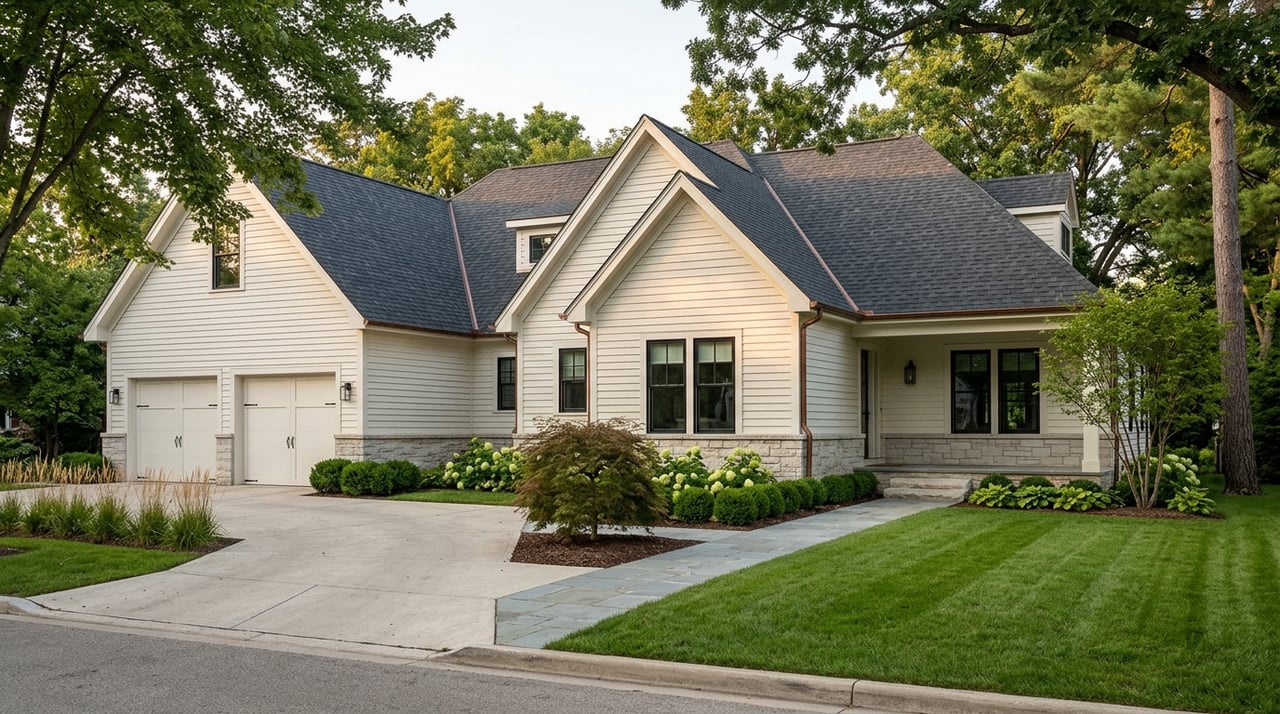
Whitefish Bay vs Bayside Homes: Find Your North Shore Fit
June 18, 2026
June 18, 2026
Trying to choose between Whitefish Bay and Bayside? If you are searching Milwaukee’s North Shore, these two villages can look similar at first glance, but they live very differently day to day. The right fit often comes down to how you want your home, your block, and your routine to feel. This guide will help you compare housing, lot sizes, amenities, and commute patterns so you can move forward with more confidence. Let’s dive in.
Both Whitefish Bay and Bayside are established North Shore communities with limited room for large-scale new development. In both villages, change is more likely to come through renovations, infill, or redevelopment than through brand-new subdivisions.
That said, the overall feel is distinct. Whitefish Bay tends to feel tighter, more historic, and more connected to a village-center rhythm. Bayside tends to feel roomier, more residential, and more shaped by natural open space.
Whitefish Bay describes itself as a predominantly single-family residential village with about 4,800 residential properties, more than 100 commercial properties, and roughly 330 businesses. The village also points to its community feel, maintained housing stock, proximity to Lake Michigan and downtown Milwaukee, and shopping areas like Silver Spring Drive and Bay Shore Mall.
For many buyers, that translates into a more active everyday pattern. You are choosing a place where residential streets, local businesses, and park access all sit relatively close together.
Whitefish Bay is a built-out community with about 5,659 housing units and 15,000 residents. Its housing report shows a relatively small range of single-family and multi-family zoning districts, with minimum lot sizes ranging from 4,800 square feet to 9,000 square feet.
In practical terms, much of the village reflects denser, smaller-lot subdivision development. If you like the idea of a classic North Shore home with less land to manage and a more compact neighborhood pattern, Whitefish Bay may feel like a natural fit.
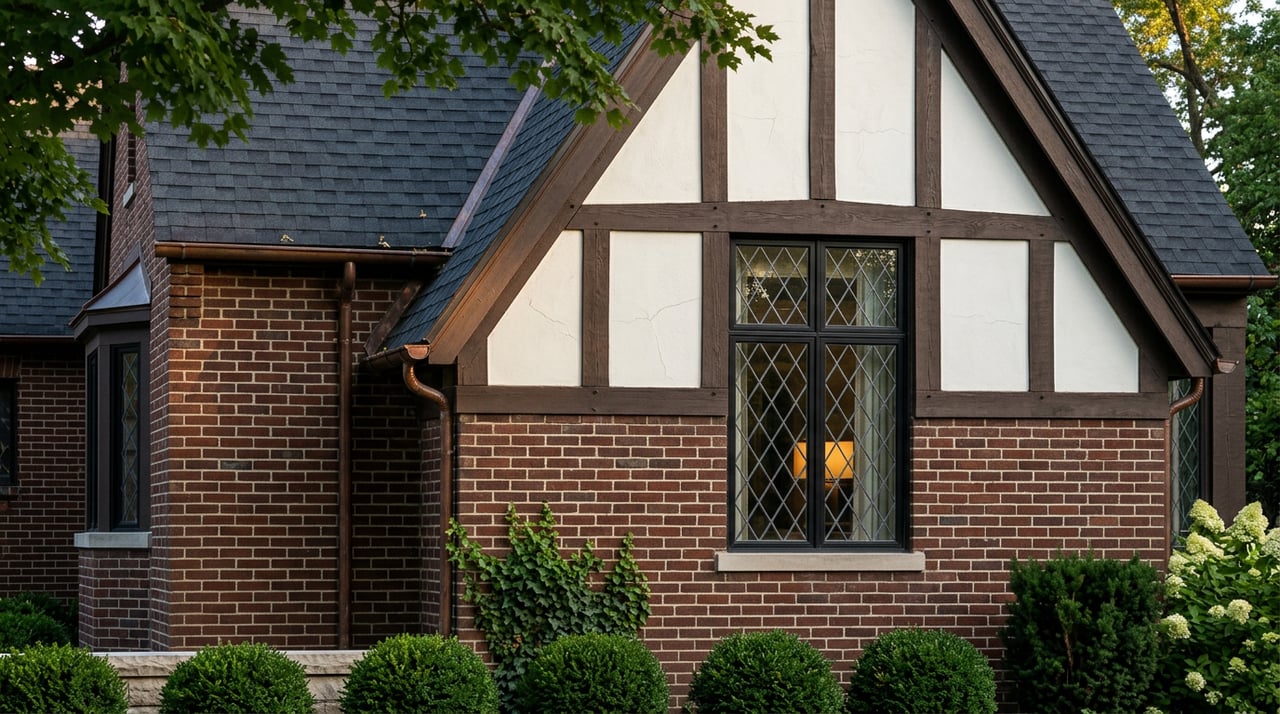
One of Whitefish Bay’s biggest draws is its older housing stock and architectural variety. Village preservation materials highlight Tudor Revival homes, including the well-known “Vaulted Tudors,” while Wisconsin Historical Society inventory entries also include Colonial Revival, Georgian Revival, and Dutch Colonial Revival styles.
If design matters to you, Whitefish Bay offers a strong sense of visual identity. Buyers who appreciate historic character often respond to that established look and feel.
Whitefish Bay has an organized business district on Silver Spring Drive, with a stated mission of making the area an exceptional place to shop, live, and conduct business. The village also offers lakefront access through parks such as Big Bay Park and Klode Park.
Klode Park adds several features that shape everyday use, including beach access, a bluff-top playground, tennis and pickleball courts, and winter ice skating. If you want more immediate access to shops, parks, and a recognizable village center, Whitefish Bay has a clear edge.
Bayside’s comprehensive plan describes the village as an inner-ring suburb known for residential neighborhoods, natural amenities, and scenic views. It covers about 2.4 square miles, includes Schlitz Audubon Nature Center and part of Doctors Park, and places most of its business district along the western boundary.
For many buyers, that creates a different type of North Shore experience. The setting feels more residential first, with open space and natural features playing a larger role in daily life.
Bayside’s land use pattern is dominated by residential districts, and its zoning includes 40,000-square-foot and 22,000-square-foot lot areas, plus an 85-foot frontage district and a townhouse overlay. The village’s housing mix includes apartments, single-family homes, duplexes, and condos.
In the cited Census table within the plan, 74.7% of owner-occupied units were detached homes, and the village had 1,959 total housing units. Compared with Whitefish Bay, Bayside reads as the roomier option, with broader spacing and a stronger tilt toward detached homes.
Bayside’s plan puts strong emphasis on natural amenities and open space. It identifies Schlitz Audubon Nature Center as the largest undeveloped area in the village and notes that part of Doctors Park also lies within the village.
That matters if your ideal routine is quieter and more residential. Bayside generally offers less of a concentrated village-center experience and more of a setting shaped by greenery, scenic areas, and lower-intensity daily activity.
For many buyers, commute patterns help break the tie. The two villages are both close to downtown Milwaukee, but they do not function exactly the same way when it comes to getting around.
Whitefish Bay’s mean travel time to work is 20.8 minutes based on the 2020 to 2024 ACS. MCTS Route 14 serves the Whitefish Bay and Bayshore corridor and connects riders to downtown Milwaukee, the Milwaukee County Courthouse, Marquette University, and other central destinations.
Bayside’s plan reports an average commute time of 22.8 minutes. It also says 77.2% of workers drive alone and notes that no one in the cited ACS data used public transportation to commute to work.
Bayside is still positioned with access to I-43 and proximity to downtown Milwaukee, but its street pattern is described as auto-oriented. The same plan also notes that the original street design left very few sidewalks and even fewer dedicated bicycle paths.
If you want a more car-forward lifestyle with a residential, lower-density feel, Bayside may line up well with your priorities. If you value slightly shorter average commute times, transit access, and a stronger errands-and-destination network, Whitefish Bay stands out.
There is no universal winner here. The better choice depends on what you want your day-to-day life to look like, and how much weight you place on character, lot size, access, and setting.
If you are torn between the two, focus less on reputation and more on how each place supports your actual routine. Think about how much lot size matters to you, how often you want nearby shops or parks, and whether you prefer historic housing character or a more open residential layout.
It also helps to compare homes through a design and value lens, not just by address. In established North Shore villages, details like lot constraints, renovation potential, architectural style, and neighborhood setting can shape both your enjoyment of the home and its long-term market appeal.
Whether you are searching for a character-filled house in Whitefish Bay or a larger-lot property in Bayside, working with a local advisor can make the decision much clearer. If you want tailored guidance on North Shore neighborhoods, private listing opportunities, or how a home’s design and presentation may affect value, connect with Kelton Hatton.
Stay up to date on the latest real estate trends.
Get assistance in determining current property value, crafting a competitive offer, writing and negotiating a contract, and much more. Contact Kelton today to discuss all your real estate needs!