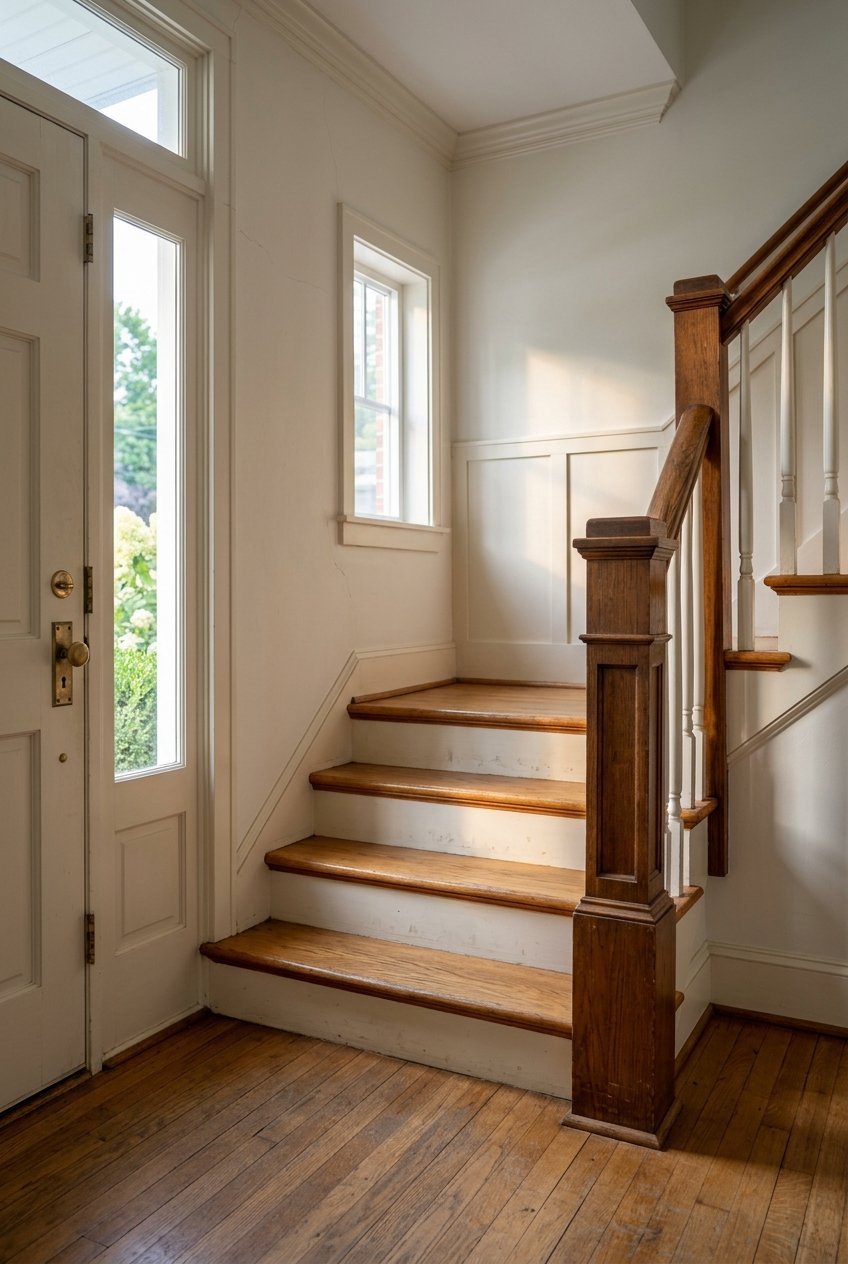
Buying A Historic Home In Cedarburg
June 4, 2026
June 4, 2026
If you have ever fallen for a home because of its stonework, original windows, or the feeling that its walls carry real history, Cedarburg likely deserves a closer look. Buying a historic home here can be deeply rewarding, but it also comes with questions about condition, updates, inspections, and local approvals. This guide will help you understand what makes Cedarburg special, what to watch for as a buyer, and how to balance charm with practical planning. Let’s dive in.
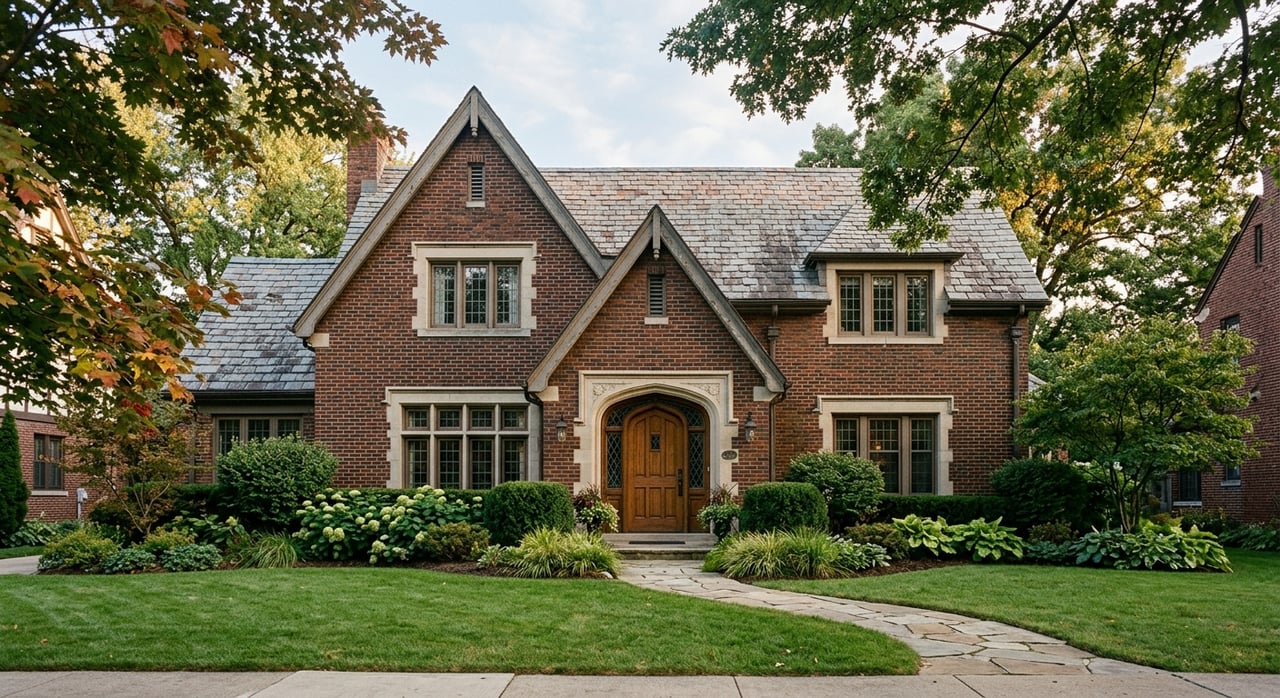
Cedarburg stands out because history is not tucked into one isolated property or street. It is woven into the city’s built environment, especially around the Washington Avenue Historic District. According to the Wisconsin Historical Society, that district was built mostly between 1847 and 1926 using locally quarried stone and includes 119 buildings across a mix of uses.
That depth of preservation gives buyers something hard to replicate in newer communities: a sense of continuity and architectural identity. Cedarburg’s own housing review also shows there is meaningful older housing stock to choose from. In the 2020 Census, the city had 5,390 housing units, with 64% made up of single-family detached homes, about 28% built before 1960, and 15% built in 1939 or earlier.
Just as important, Cedarburg notes that older homes here are not automatically in poor condition. Preservation has helped shape the city’s architectural character and tourism appeal, which is good context if you are looking for a home with history but do not want to assume age equals neglect.
One of the first things to understand is that historic status can mean different things. A home may sit in an area recognized for historic significance, but that does not always tell you what rules apply to future changes. This distinction matters if you are already thinking about renovations, repairs, or design updates.
The National Park Service says that being listed in the National Register of Historic Places does not, by itself, place federal restrictions on what a private owner may do. In Cedarburg, the more important question is whether the property falls within the city’s Historic Preservation Overlay District and is subject to local review through the landmarks process.
That local framework is what can affect your plans. So if you are considering a property with historic character, you will want to confirm not just whether it has a notable past, but whether the city’s preservation rules apply to it today.
Cedarburg’s preservation standards are designed around compatibility. In simple terms, the city expects restoration materials to match the original visual appearance, and it expects new work to fit the home’s size, scale, color, material, and overall character. That does not mean every home must stay frozen in time.
The city’s code specifically allows contemporary design for alterations and additions when the work does not destroy significant historic material and remains compatible with the property. That is encouraging if you want updated kitchens, baths, or systems while still respecting the home’s original look and feel.
For buyers, the key takeaway is this: modern living and historic character can coexist in Cedarburg, but your updates usually need to work with the house rather than against it. If you love older homes and thoughtful design, that can be a real advantage instead of a limitation.
If a property is in the Historic Preservation Overlay District, many changes require approval. Cedarburg’s ordinance says work including construction, repair, maintenance, remodeling, reconstruction, painting colors, and roofing type and colors requires approval and a certificate of appropriateness.
That means even projects that seem straightforward can involve a review process. The city’s historic-district rules state that no permit to develop, construct, reconstruct, enlarge, or alter property in the district is issued until the Landmarks Commission and Plan Commission review the application. After that, a separate building permit application is filed with the Building Inspection Department.
For you as a buyer, this is less about fear and more about planning. If you expect to make changes after closing, build extra time into your timeline and make sure your renovation goals fit the city’s process.
A historic home can be beautiful on day one and still need careful evaluation behind the scenes. HUD recommends a detailed home inspection before purchase so you can better understand the property’s physical condition, major systems, and needed repairs. HUD also notes that an appraisal is not the same thing as a home inspection.
In a market like Cedarburg, where many older homes have lasting architectural value, inspections should look beyond surface charm. You want a clear picture of structure, roofing, electrical, plumbing, heating and cooling, and any signs that earlier repairs may need follow-up.
HUD also advises buyers to research the inspector’s qualifications and ask for a standards-of-practice document or sample report. That extra step can help you choose someone who communicates clearly and evaluates an older property with the level of detail it deserves.
With an older home, a standard inspection is often only the starting point. Depending on the property’s age and condition, it may make sense to add radon, lead, and asbestos testing to your due diligence.
Lead is an important issue for homes built before 1978. EPA says those homes may contain lead-based paint, and renovation, repair, and painting work can create hazardous lead dust. If the home has older painted surfaces, especially those that are peeling or likely to be disturbed, this is worth addressing early.
Asbestos is another material that can appear in older homes. EPA says asbestos-containing materials should be repaired or removed by trained and accredited professionals if they are damaged or likely to be disturbed. This matters even more if you are planning updates soon after closing.
Radon should also be on your list. Wisconsin DHS says about 1 in 10 homes in the state has high radon levels, and testing is the only way to know. EPA adds that any home can have radon and recommends mitigation at 4 pCi/L or higher. Wisconsin DHS also notes that buying a home is a good time to test.
When you buy a historic home in Cedarburg, it helps to separate two goals that can feel like they compete. One goal is preserving the details that give the home its identity. The other is making the property safe, comfortable, and workable for how you live today.
A practical approach is to identify the character-defining features first. That might include original stone, trim, windows, proportions, or other visible elements that shape the home’s appearance. Then prioritize system upgrades and interior improvements that support daily life without erasing what makes the house special.
This mindset fits Cedarburg’s preservation rules well. The city’s framework emphasizes compatibility, and Cedarburg’s broader planning documents recognize that preservation is part of what gives the community its architectural character.
If you are serious about a historic home in Cedarburg, ask focused questions early. The goal is not to create doubt. It is to reduce surprises and make more confident decisions.
Consider asking:
These questions can help you understand both the home itself and the process that may come with ownership.
Buying an older home often involves more nuance than buying a newer one. You are weighing design, condition, local rules, and future costs all at once. In Cedarburg, that complexity is part of the appeal, but it also means details matter.
A thoughtful buying strategy can help you evaluate not just whether a home is beautiful, but whether it fits your goals, timeline, and comfort level for updates. That is especially true if you are drawn to architecturally significant homes and want to preserve their character while making smart decisions about improvements.
If you are exploring historic homes in Cedarburg and want a clear, design-aware approach to the process, Kelton Hatton can help you navigate the details with care and confidence.
Stay up to date on the latest real estate trends.
Get assistance in determining current property value, crafting a competitive offer, writing and negotiating a contract, and much more. Contact Kelton today to discuss all your real estate needs!